
9 of 20 properties found
Student Accommodation in Bristol, United Kingdom
9 of 20 properties found

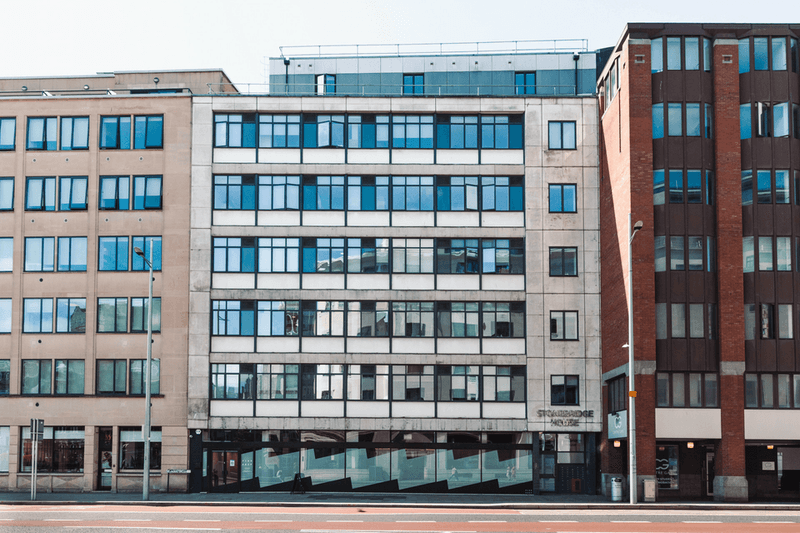


Student Accommodation in Bristol
Bristol is a large university city in south-west England, and accommodation decisions depend on whether a student studies at the University of Bristol or UWE Bristol and on the exact campus. The University of Bristol’s principal teaching buildings are concentrated around Clifton and the city centre, with Temple Quarter Enterprise Campus near Bristol Temple Meads and specialist activity at Langford. UWE Bristol’s largest campus is Frenchay, while Glenside serves many health courses and City Campus includes Bower Ashton, Spike Island, Arnolfini and Watershed.
Students can compare university halls, private purpose-built student accommodation, en-suite and non-en-suite rooms, studios, shared flats, shared houses and private apartments. Common search areas include Clifton, Redland, Cotham, Stoke Bishop, the city centre, Stokes Croft, Kingsdown, Old Market, Bedminster, Fishponds, Horfield, Filton and Frenchay. Each offers a different balance between campus access, hills, bus or rail travel, property style and total cost.
BookMyAcco allows students to search listed student accommodation in Bristol, review room and property information, compare available options and submit an enquiry. Before booking, confirm the exact campus and faculty, calculate the complete journey, compare the full planned cost and read the current property-specific payment, guarantor, document and cancellation terms. Students should also check whether placements, laboratories, veterinary teaching or creative facilities require regular travel beyond the main campus. The most practical location can therefore change by course and timetable.
Bristol’s student-accommodation market serves two major universities with very different campus patterns. The University of Bristol’s Clifton Campus is integrated into the city around Queens Road, Tyndall Avenue, Woodland Road, Park Street and nearby districts. Temple Quarter Enterprise Campus is near Bristol Temple Meads, while Langford Campus is outside the city in North Somerset. UWE Bristol’s main Frenchay Campus is north of the centre, Glenside Campus is near Fishponds and City Campus is spread across creative sites including Bower Ashton and the Harbourside.
University halls are one common first-year route. University of Bristol residences are distributed across Stoke Bishop, Clifton, the city centre and other neighbourhoods, with nearby residences for Temple Quarter and a separate Langford residence. UWE Bristol offers university-managed and partner accommodation at Frenchay, Glenside and the city centre. Students should distinguish university-owned halls, university-managed partner rooms and fully private buildings because the operator, contract and support process can differ.
Private purpose-built student accommodation is concentrated in the city centre, Stokes Croft, Old Market, Temple, Redcliffe and other central districts. These buildings commonly offer en-suite rooms in shared flats and self-contained studios. Some provide study areas, lounges, gyms, laundry, reception, parcel handling or cycle storage. Students should verify which facilities are included, whether the allocated room matches the images and who manages the building.
Shared houses are widely used by returning students. Clifton, Redland, Cotham, Kingsdown, Bishopston, Horfield, Fishponds, Filton, Bedminster, Southville and other residential areas contain private rentals. A shared house can provide more space and independence, but students become responsible for utilities, cleaning, repairs, licensing, joint liability and housemate arrangements.
Location creates significant trade-offs because Bristol is hilly and the campuses are dispersed. Clifton and Redland can provide access to the University of Bristol but are not automatically convenient for UWE Frenchay. Frenchay, Filton and parts of Horfield can reduce the UWE commute but require travel to the city centre. Fishponds is relevant to UWE Glenside, while Bower Ashton and Harbourside creative sites require different routes.
Privacy and social environment should be compared with cost. Studios offer independence but may cost more and provide fewer automatic opportunities to meet people. En-suite rooms combine a private bathroom with a shared kitchen. Non-en-suite rooms and shared houses may reduce the rent, but bathroom numbers, cleaning, heating, ventilation and housemate compatibility matter more.
International students may need to book before arriving. They should confirm the campus on the offer or CAS, request a live virtual viewing, verify payment instructions and ask which identity, immigration, student-status and guarantor documents are needed. Domestic students booking with friends should also understand the legal agreement. Instalments, guarantor alternatives, advance-payment conditions and cancellation policies vary.
Most private assured tenancies in England became assured periodic tenancies on 1 May 2026, while university halls and qualifying purpose-built student accommodation can use different structures. The written agreement controls the resident’s obligations. BookMyAcco can help compare listed options, but the final choice should reflect the exact campus route, total planned cost, current room information and property-specific terms.
Bristol’s municipal boundary and the wider urban area can make location labels misleading. Frenchay Campus sits close to South Gloucestershire, Filton and Stoke Gifford, while central Bristol listings may be several miles away despite using the same city name. University of Bristol residences in Stoke Bishop create a different daily pattern from Clifton residences, and UWE City Campus students can be spread across creative sites rather than one central teaching block. The postcode and timetable are therefore more useful than the city label.
University halls are residences offered through a university accommodation system. University of Bristol residences include locations in Stoke Bishop, Clifton and central Bristol, with options connected to Temple Quarter and Langford. UWE Bristol offers rooms at Frenchay, Glenside and in central partner accommodation. Students should compare the campus journey, room type, catering, included services, support, occupancy dates and application rules.
Private purpose-built student accommodation, often called PBSA, contains student-specific cluster flats, studios and sometimes apartments. Central Bristol has a large private-hall market, and UWE students can also consider buildings with bus access to Frenchay or Glenside. Amenities can include study rooms, lounges, gyms, laundry, parcel handling and cycle storage, but the current listing should confirm them.
An en-suite room normally provides a private bedroom and bathroom with a shared kitchen. This can suit a student who values bathroom privacy but wants a social flat. Compare the number of kitchen users, cupboard and fridge allocation, cleaning responsibilities, room dimensions, bed size, desk, storage, window and floor. En-suite does not mean a private kitchen.
A non-en-suite room normally gives the resident a private bedroom with shared bathroom and kitchen facilities. It may be found in halls, private residences and shared houses. Ask how many residents share each bathroom, whether communal cleaning is provided and how faults are reported. In older houses, check heating, insulation, ventilation, locks and water pressure.
A studio combines sleeping, studying, cooking and bathroom facilities in one unit. It can suit postgraduates, mature students or anyone preferring independence. Compare the usable layout, kitchen appliances, ventilation, storage, natural light and desk space. Dual occupancy must be expressly permitted and may involve eligibility rules or an additional charge.
Shared houses and flats are common in Redland, Cotham, Kingsdown, Bishopston, Horfield, Fishponds, Filton, Bedminster and Southville. They can provide a lounge, garden or larger kitchen. Confirm whether the agreement is individual or joint, how utilities are organised, whether an HMO licence is required and what happens if one housemate leaves.
Twin rooms contain two occupants in one bedroom and should not be confused with a two-bedroom flat or dual occupancy of a studio. Confirm whether rent is per person, how roommates are selected and how cancellation by one resident is handled. One-bedroom apartments provide separate living and sleeping space and may suit eligible couples or students wanting greater privacy.
Furnishing varies. Verify the bed, mattress, desk, chair, wardrobe, curtains, kitchen appliances and communal furniture against a written inventory. Marketing photographs may show a demonstration room. Students with accessibility requirements should confirm step-free routes, lifts, adapted bathrooms, kitchen layout, room-floor location, alarms and evacuation procedures in writing.
Clifton is closely associated with the University of Bristol and includes university buildings, residences, shops, cafés and Georgian housing. It can provide a short journey to the Clifton Campus, but rents may reflect the location and many streets are hilly. Students should check whether the property is near the faculty or on the opposite side of Clifton, inspect heating and stairs and consider limited parking.
Redland lies north of Clifton and is a well-established student rental area with shared houses, flats, local shops and access to Redland railway station. It can suit University of Bristol students and those willing to commute elsewhere. The exact walk to campus varies and can be steep. Check heating, HMO licensing, bathroom numbers and transport to evening activities.
Cotham and Kingsdown sit between the University of Bristol, Stokes Croft and the city centre. These neighbourhoods can provide walking access to many Clifton Campus buildings and central services. Housing includes terraces, converted flats and private student residences. Students should assess hills, noise, property condition and the route to the exact department.
Stoke Bishop contains a major group of University of Bristol residences. It offers a residential student community and bus connections to the main campus. The academic journey is different from living in Clifton or the centre, so students should check the current university bus, local services and evening return. Private housing nearby should be compared separately from university residences.
Bristol City Centre contains private student buildings, apartments and access to shops, Bristol Bus and Coach Station, cultural venues and central employment. It can work for University of Bristol, Temple Quarter and UWE students who use buses to Frenchay. The route to Clifton is uphill from many central streets. Noise, construction, lifts and transport costs should be checked.
Stokes Croft and Montpelier sit north of the centre and close to Kingsdown and Cotham. They offer private halls, flats, shared houses and a lively independent environment. The location can provide access to the University of Bristol and buses towards north Bristol. Students should review nightlife noise, building access, property condition and the exact route.
Old Market, Temple and Redcliffe are relevant to Temple Meads, Temple Quarter and central private accommodation. They can also provide bus connections to UWE Frenchay and walking routes to the centre. The University of Bristol Clifton Campus is farther uphill. Students should consider road traffic, development, evening activity and the exact relationship with the teaching site.
Bedminster and Southville lie south of the harbour and contain shared houses, flats, local high streets and rail or bus access. They may suit UWE City Campus students at Bower Ashton and students comfortable commuting to central campuses. The journey to Frenchay or Clifton varies. Check bridge crossings, bus frequency and late travel.
Fishponds is particularly relevant to UWE Glenside Campus and offers private houses, flats, local services and bus routes. It can also provide travel to Frenchay and the city centre, depending on the street. Glenside health students should compare placement routes as well as campus access. Property condition and heating can differ substantially.
Frenchay and Filton are important for UWE Frenchay Campus. On-campus accommodation can minimise the lecture journey, while private housing in surrounding districts may use buses, walking or cycling. Filton Abbey Wood and Bristol Parkway provide rail connections, but neither station eliminates the final campus journey. Check the exact stop, route and evening service.
Horfield and Bishopston provide residential alternatives between the city centre and north Bristol. Shared houses and flats can offer access towards the University of Bristol or UWE Frenchay, depending on the route. Gloucester Road provides shops and buses, but the corridor is long. Compare the property’s position, peak traffic, hills and transport costs.
No area is automatically the cheapest, safest or best. Students should shortlist according to the exact campus, then inspect the street, property condition, access, hills, transport, noise and total cost. A current journey plan and live viewing provide stronger evidence than a broad neighbourhood label.
Easton and Eastville lie east of the city centre and can offer private houses, flats and access towards Fishponds, Glenside, Frenchay and central Bristol. The usefulness varies by bus route and street. Students should compare the walk to the stop, peak traffic, local services, heating and the final journey to the exact campus rather than assuming that all east Bristol addresses work equally well for UWE.
Stapleton and Stoke Gifford can be relevant to UWE Frenchay students. Stapleton sits between Eastville, Fishponds and Frenchay, while Stoke Gifford is close to Bristol Parkway and north-Bristol employment areas. Private housing may provide a shorter campus journey than central accommodation but a different social environment. Check late buses, rail usefulness, pedestrian routes and the distance to supermarkets.
The University of Bristol’s Clifton Campus is the main teaching cluster and is integrated into the city around Queens Road, Tyndall Avenue, Woodland Road and nearby streets. The campus is not one enclosed site, so students should identify the faculty, laboratory, library or hospital location used most often. Clifton, Redland, Cotham, Kingsdown, the city centre and Stoke Bishop can all be relevant.
Temple Quarter Enterprise Campus is near Bristol Temple Meads and has a different accommodation pattern from Clifton. Central Bristol, Temple, Redcliffe, Old Market and nearby university residences may be practical. Students whose timetable uses both Clifton and Temple Quarter should calculate the journey between them rather than choosing solely for one site.
Langford Campus is outside central Bristol and serves veterinary and related activity. It has its own residence and requires a specialised transport decision. A central Bristol room should not be described as near Langford merely because it is associated with the University of Bristol. Students should use the exact course guidance.
UWE Bristol’s Frenchay Campus is north of the city centre and is where most UWE students study. Frenchay, Filton, Horfield, the city centre and selected bus corridors can be compared. On-campus rooms reduce the academic journey, while central accommodation offers a different city experience and regular bus travel.
UWE Glenside Campus is near Fishponds and is home to many allied-health, nursing and midwifery students. Fishponds, Stapleton, Eastville and selected north-east Bristol areas may be relevant. Health students should also identify clinical placement sites, because the placement commute can be more important than the main campus route.
UWE City Campus includes creative sites at Bower Ashton, Spike Island, Arnolfini and Watershed. These locations are not a single enclosed campus. Students should confirm which site is used by the course. Bedminster, Southville, the Harbourside and central Bristol can offer different levels of convenience.
University-owned, partner and independent accommodation differ. Confirm who manages the building, who receives payment, where repairs are reported and whether the university is part of the agreement. BookMyAcco can help compare listed options, but students should validate the location against the current timetable and official campus information.
Students whose course includes professional placements should identify likely sites before committing to an area. Health, education, social-care and veterinary courses can require travel beyond the usual campus, and creative courses may use different UWE City Campus buildings during the week. Ask the department for available location guidance and compare the placement route independently from the main academic commute.
Students should also check whether their course uses specialist buildings away from the commonly advertised campus marker. Laboratories, hospitals, partner schools, veterinary facilities and creative studios can alter the daily route. A property marketed as near the University of Bristol or UWE Bristol should therefore be tested against the actual building schedule, not only the institution name.
Bristol students use buses, Metrobus, local rail, walking and cycling. The city’s hills and dispersed campuses make door-to-door planning essential. Travelwest and individual operators provide current routes and live information. Students should not rely on an old property description because timetables and road conditions can change.
Bristol Temple Meads is the main national and regional railway station and is closest to Temple Quarter. Bristol Parkway and Filton Abbey Wood are relevant to north Bristol and UWE Frenchay, while Clifton Down and Redland stations can support journeys around the University of Bristol side of the city. Include the walk or bus at both ends.
Metrobus and other bus services connect the city centre with UWE Frenchay and north Bristol. UWE students should check the exact campus stop, service frequency, late buses and the walk from the stop to the teaching building. A city-centre property may be well connected but still require a significant daily travel commitment.
University of Bristol students often walk between Clifton Campus buildings, but the surrounding city is hilly. A route that appears short on a map may involve steep streets. Students should test the journey with luggage, equipment and mobility needs. Travel between Clifton and Temple Quarter should be considered separately.
Cycling can be practical because Bristol has an extensive cycling culture and a network of routes, but students should assess busy junctions, hills, lighting, secure storage and weather. UWE campuses provide cycling facilities, yet the route from the property must also be suitable. Privately owned e-scooters are not legally permitted on public roads.
Glenside, Bower Ashton, Frenchay and Langford require different transport plans. A single statement that a property is near UWE or the University of Bristol is insufficient. Students should identify the campus, nearest stop or station, number of changes, final walk and travel cost.
Evening and weekend travel should be checked separately. Review the last bus or train, waiting environment, changes and alternative taxi cost. Do not describe an area as universally safe or unsafe; assess the exact street, lighting, building access and route at expected travel times.
Bristol Airport is south-west of the city and is connected with central Bristol by bus. International students should allow for luggage, traffic and the onward journey from the city centre to the property. Confirm check-in hours and whether keys are collected at a separate office.
For each shortlisted property, record the front door, walk to the stop or station, service, frequency, changes, campus arrival point and final walk. Repeat the test for morning, evening and weekend travel and include the expected ticket cost in the accommodation budget.
Bus reliability and interchange time should be tested during the actual teaching day. A route from central Bristol to Frenchay may appear direct, but the walk to the stop, peak traffic and final campus walk can add substantially to the journey. Students living near Clifton or Redland should compare whether travelling through the centre is necessary, while Glenside students should check services that approach the campus from Fishponds and surrounding districts. A placement destination may require a different ticket or transfer.
Confirm the university, exact campus, faculty and course start date. University of Bristol students should distinguish Clifton, Temple Quarter and Langford. UWE students should distinguish Frenchay, Glenside and the individual City Campus sites. Placement-based courses may require regular travel to hospitals, clinics, schools or employers.
Begin comparing early enough for September, but do not pay before verifying the room and agreement. Ask for current availability, room category, rent, total planned cost, occupancy dates and booking deadline in writing. Students applying late should widen the area search and calculate transport rather than accepting an unsuitable journey.
Identify the agreement type. Most private assured tenancies in England became assured periodic tenancies from 1 May 2026. University halls and qualifying purpose-built student accommodation can use a licence or other fixed accommodation agreement. Read the notice, rent cycle, eligibility, house rules and ending provisions.
Separate rent, holding deposit, tenancy deposit, first payment and optional charges. Current law limits deposits, fees and rent in advance for covered private tenancies. Halls can use different terms. Confirm the legal payee, account details, currency, refund conditions and receipt process through an official channel.
Guarantor requirements vary. A provider may request a UK guarantor for instalments, accept an international guarantor or third-party service, or use another lawful payment arrangement. Ask who qualifies, what evidence is required and what obligations are covered. A guarantor should read the final agreement.
Prepare documents securely. Common requests may include photo identification, university offer or enrolment evidence, student number, proof of address, payment information and guarantor documents. International students may need immigration or right-to-rent evidence for applicable private renting. Ask for the exact process.
Review cancellation before paying. Check the cooling-off period, deadline, evidence, refund timing, replacement-tenant obligation and permitted charges. No Visa No Pay and No Place No Pay apply only where the individual property offers the policy and every condition is satisfied. Free cancellation should not be assumed.
Request an in-person or live virtual viewing. Confirm the actual room, floor, window, bathroom, kitchen, heating, storage, internet, laundry, communal spaces and entrance. In a shared house, check HMO licensing where required, gas and electrical information, fire precautions, damp, locks and appliances.
Students with accessibility requirements should verify the complete street-to-room and property-to-campus routes. Check step-free access, lifts, adapted bathrooms, kitchen use, room location, alarm systems, evacuation procedures and accessible transport. Obtain written property-specific confirmation.
Before move-in, confirm check-in time, key collection, outstanding balance, inventory and required documents. Photograph existing damage and report it promptly. International students should plan airport or station travel and notify the provider of delays. BookMyAcco can help compare listed accommodation, but the signed property-specific agreement governs the booking.
Students booking with friends should compare each person’s campus before choosing a shared house. A household containing University of Bristol and UWE students may need a compromise area, and the cheapest option for one resident can create a long daily journey for another. Agree the maximum budget, cleaning, guests, noise, utility responsibility and replacement-tenant expectations before signing. Each tenant and guarantor should read the same final agreement.
Check the surrounding environment as well as the room. Review steep streets, major roads, construction, late transport, supermarket access, refuse arrangements and the route from the stop to the entrance. Avoid universal claims about neighbourhood safety; evaluate the exact street, lighting, building access and expected travel times.
Student guides for Bristol
Articles about living and booking student accommodation in Bristol.